
The Representations & Warranties (R&W) insurance market has reached an inflection point. Coverage is at its broadest ever, yet rates have fallen and claims are rising in both frequency and severity.
Drawing on Liberty GTS's own global claims data, this year's briefing explains what's behind these trends and what they mean for the future of the product.
As one of the few insurers with a specialist in-house transactional liability claims team, we offer an underwriter's view of the data:
- why claims are growing
- how severity is reshaping loss ratios
- practical changes that could put the product on a sustainable footing
Key findings from the briefing
Below are some of the key findings from this year's briefing. Explore the data behind the trends shaping the R&W market.
Accounting and financial issues remain the largest source of loss.
These issues account for 52% of payments and reserves, followed by material contract or customer issues at 14%, compliance with laws at 12%, asset-condition issues at 12%, and IP issues at 5%. Recent accounting and financial claims increasingly involve multiple alleged issues, adding to their size and complexity.
Claims severity has risen materially.
Average payments and reserves increased from approximately $7 million for 2019–2022 underwriting years to around $9 million for 2023 and $13 million for 2024. Claims of $10 million or more now represent approximately 75% of total dollars paid, compared with around 68% at the end of 2024.
Primary business is materially riskier than excess business.
Approximately 25% of primary-layer notifications result in a payment or reserve, compared with less than 5% for excess notifications across most underwriting years. However, excess claims are substantially larger when they do reach the layer, with an average payment of approximately $19.5 million, compared with $7 million for primary claims.

Get the full picture: download the 2026 Claims Briefing
Explore the complete data and expert analysis behind the trends redefining the R&W insurance market.
Get the full picture: download the 2026 Claims Briefing
Explore the complete data and expert analysis behind the trends redefining the R&W insurance market.
Talk to the team behind the briefing
This briefing is produced by our specialist in-house claims team, one of the few in the market dedicated entirely to handling transactional liability claims. We'd welcome the chance to discuss what these trends mean for you, your clients and your deals.

Simon Radcliffe
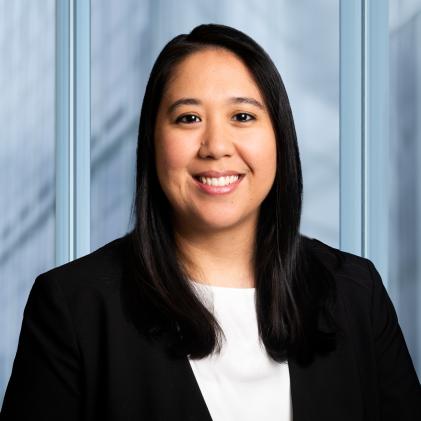
Ariella Sparr

Michelle Yohe